Pitchside Conversations in Cape Town
The first instalment of Stories from Our Game. Chad Anthony meets teacher and football coach Jordan Gysman to talk about belonging, brotherhood and the game in Cape Town’s Cape Flats.
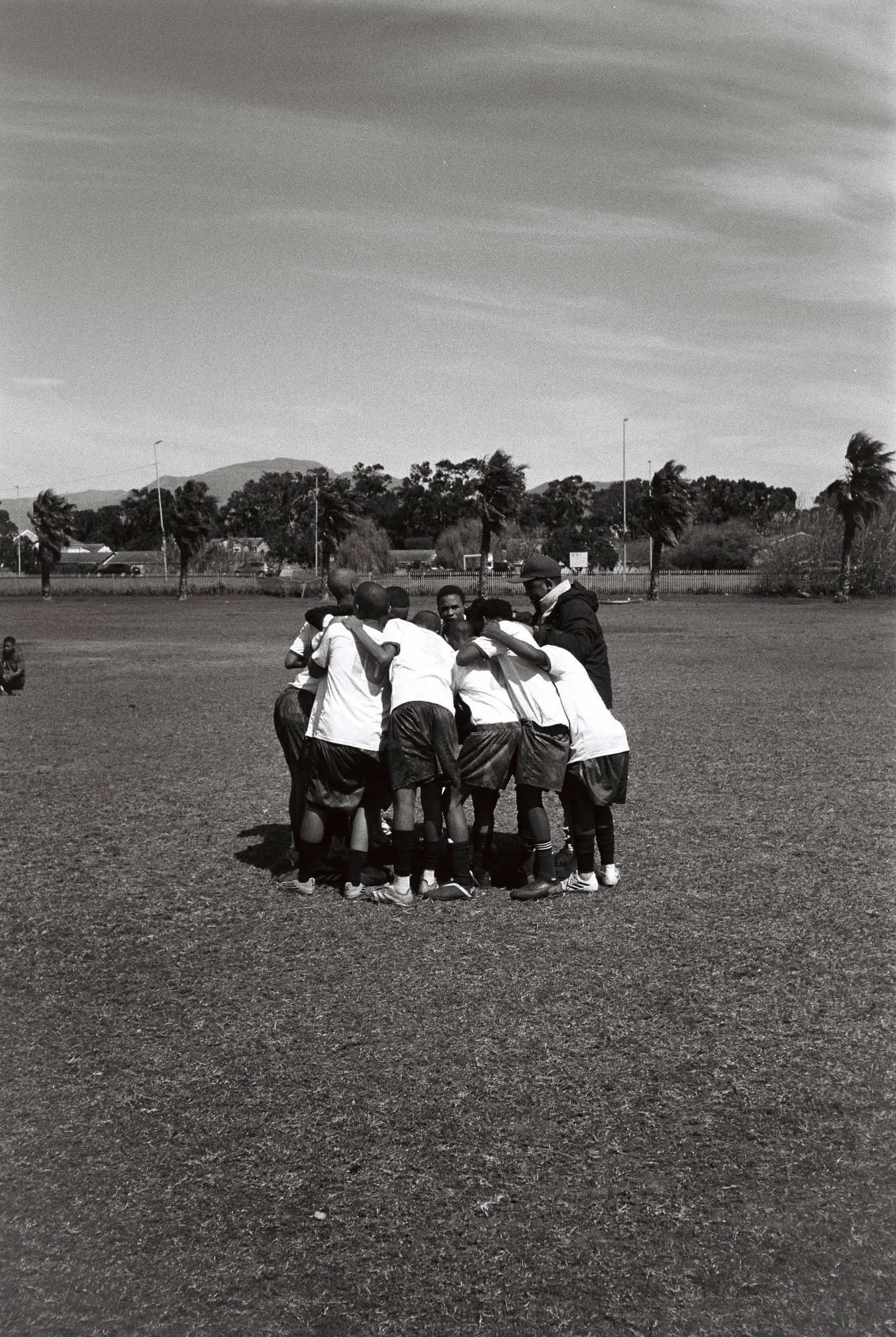
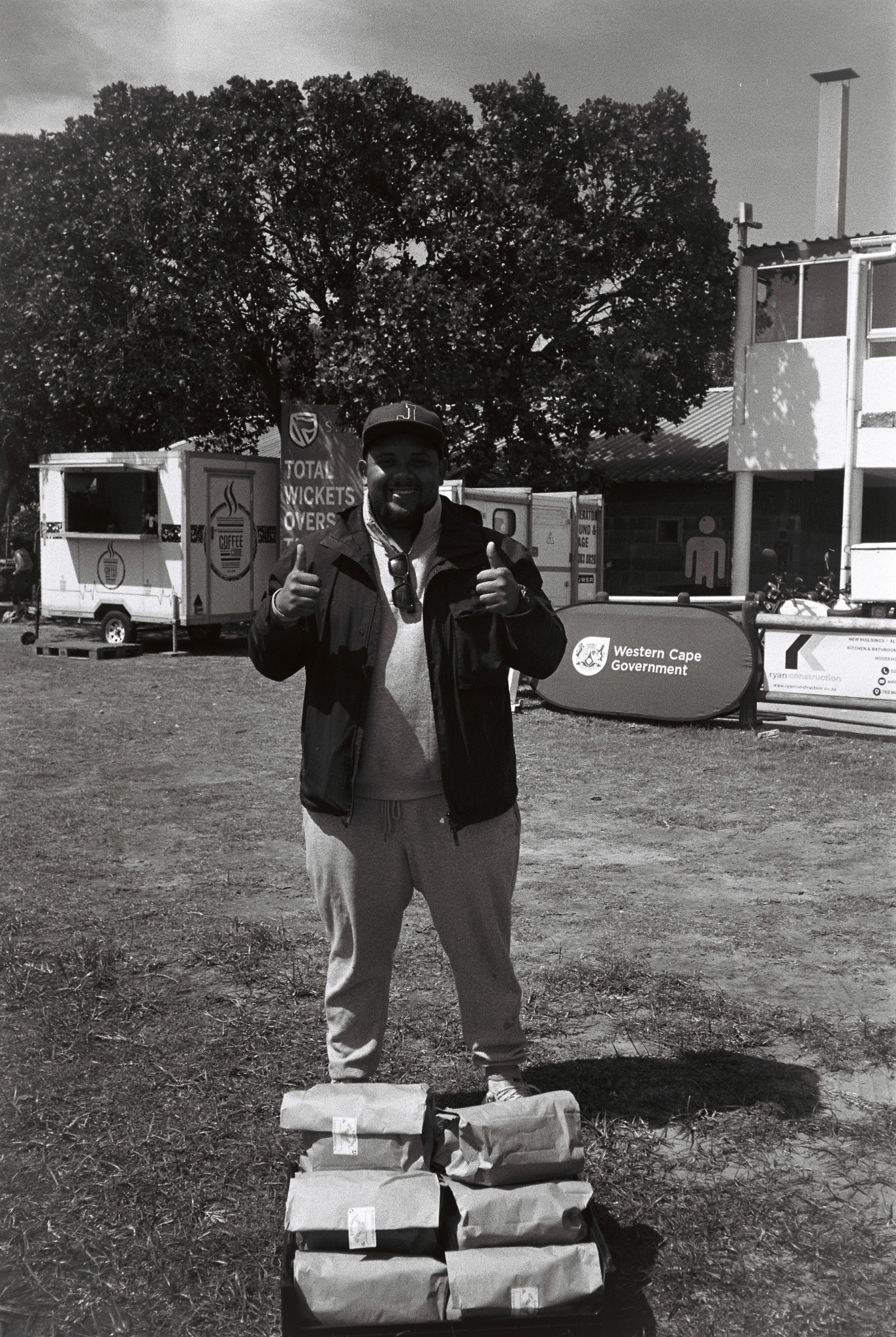
Jordan Gysman is a 26 year old teacher, born and raised in Cape Town. He has loved the game for as long as he can remember and grew up in the city’s Ottery suburb, a residential and industrial area Jordan describes as a beautiful, tight-knit community that has suffered with the effects of gang violence.
Growing up, football was the only thing on Jordan’s mind. His after school routine would consist of grabbing a quick bite to eat before heading out to the pitch, which back then was a gravel pitch situated in the middle of the Flats, an area on the outskirts of Cape Town widely considered the spiritual home of grassroots football in the city and a place that housed non-white communities who were forcibly removed from their homes during the apartheid era.
It is at the Flats, where a pitchside conversation between Jordan and his friend Chad takes place.
CHAD
How would you describe the situation school football in South Africa finds itself in at the moment?
JORDAN
School football is completely different compared to when I was at school. You look at some of the bigger schools now and they are investing millions into their football programmes. Schools are taking the game seriously. It’s become extremely competitive. There are proper trials, teams are training consistently, and schools are investing in equipment, coaching and infrastructure to build strong football programmes. For me, that shows you how much school football has grown. It’s no longer seen as just an extracurricular activity. Schools are starting to understand that football can create real opportunities for young people.
CHAD
What are some obstacles these kids face day to day that people watching from the sidelines or outside of this community wouldn’t necessarily see?
JORDAN
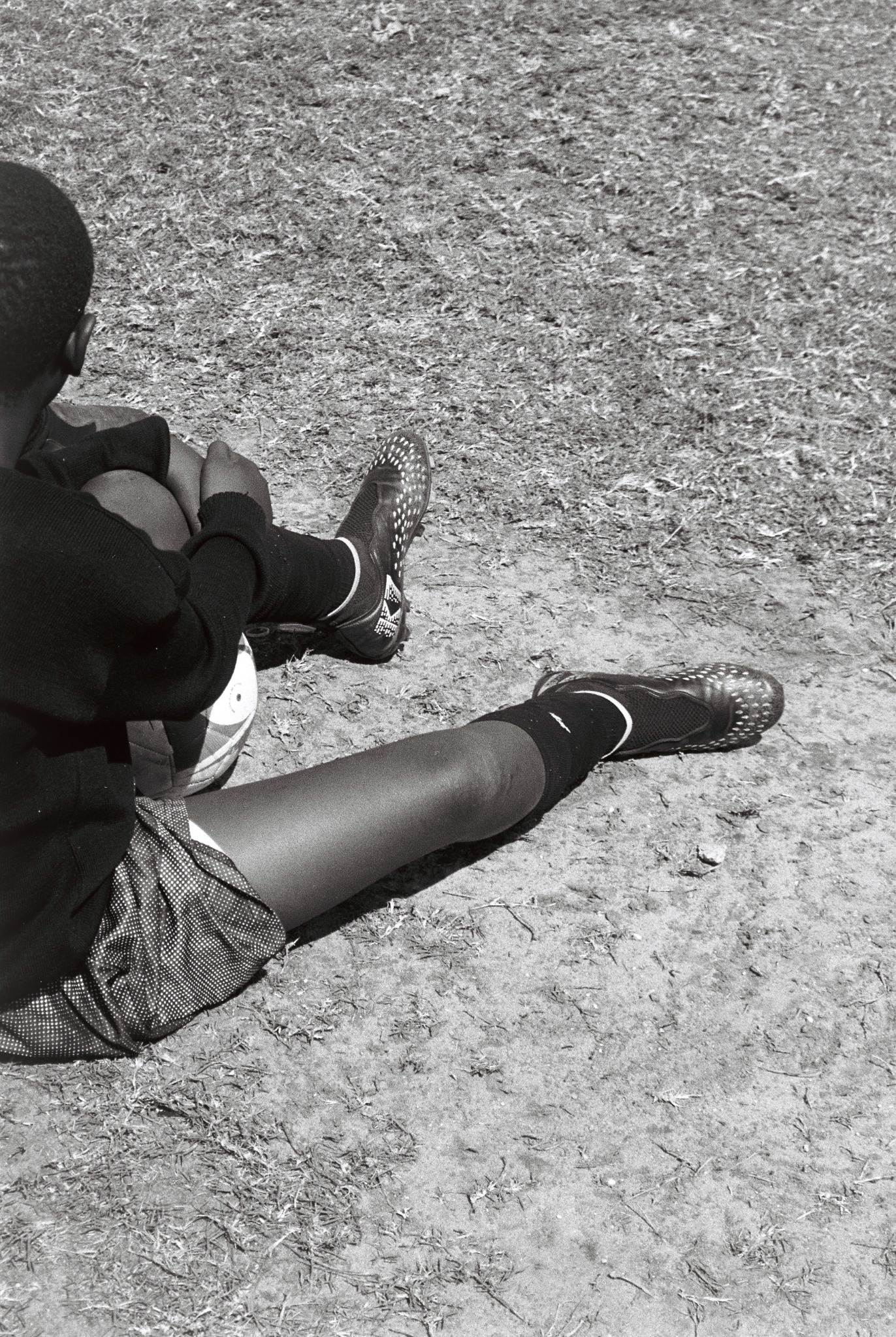
People might look at these kids and immediately think the biggest obstacle is money. And yes, finances are definitely a challenge, but sometimes the things they lack go much deeper than that. Some of these boys don’t necessarily have that stable family structure or the support of both a mother and father at home. Sometimes what they’re really looking for is love, guidance, support and someone who believes in them. Then there are the practical things people don’t see. Some of my boys don’t always have football boots. Some might arrive for a game without having had a proper meal beforehand. Those are things people watching from the sidelines would never necessarily know. So as coaches, we try to fill those gaps wherever we can. Sometimes coaching these boys has very little to do with soccer.
CHAD
You’re here coaching these kids and passing down your love for the game. But what have these kids taught you in return?
JORDAN
These kids have taught me that anything is possible if you’re willing to work hard, put in the time and, most importantly, not give up. It’s actually inspiring because sometimes, as adults, we forget those simple things. But every day when I step onto the field with these boys, I’m reminded that it’s about belief. It’s about fighting for one another and continuing to push even when things aren’t going your way. They’ve taught me just as much as I’ve probably taught them.
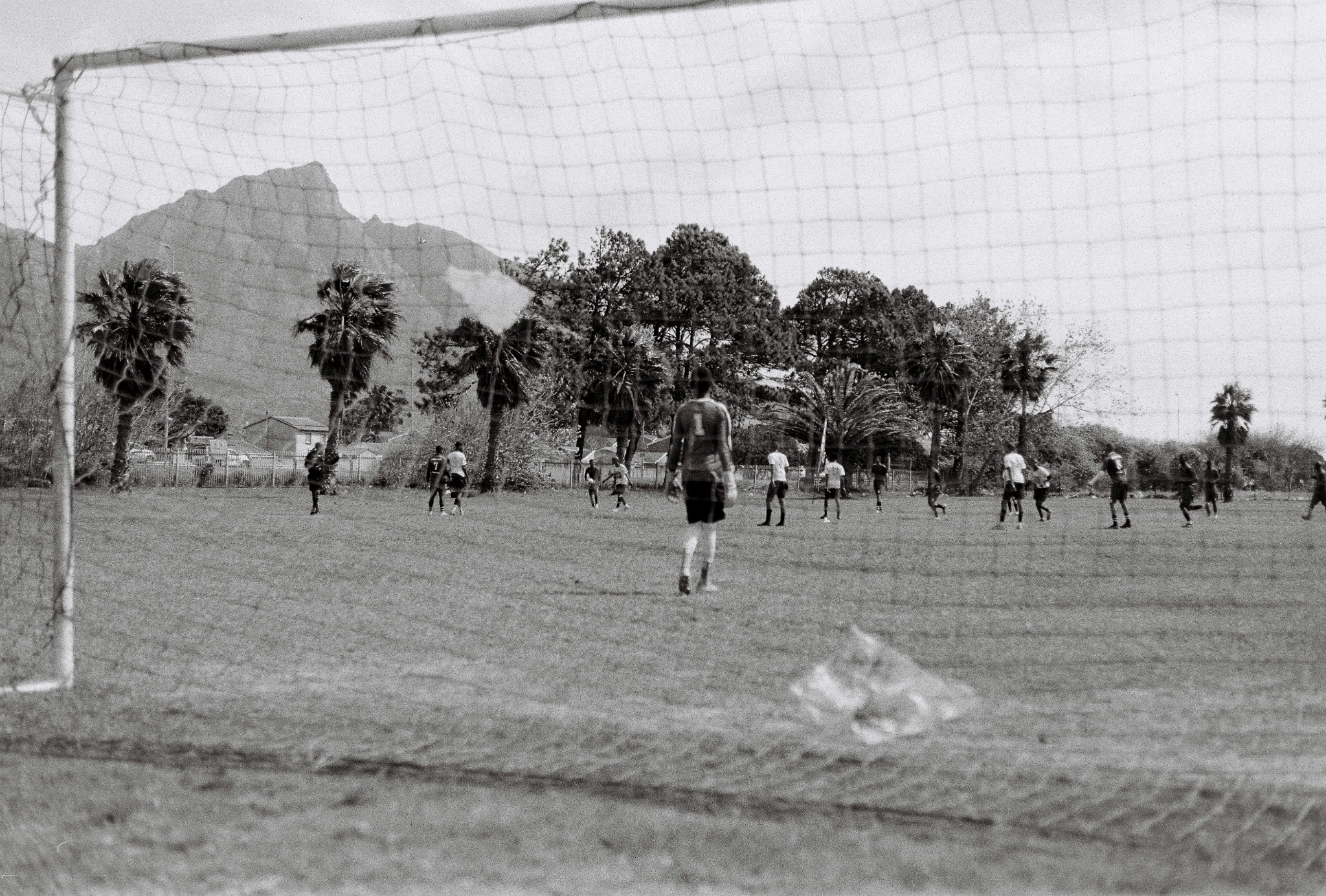
Sometimes football just means more. And it’s at the Cape Flats, where this is exactly the case. The area holds huge social and cultural significance within Cape Town’s history, and was the site where many of the city’s non-white residents were forcibly relocated to during the apartheid era.
Over the years, and out of the tight-knit, multi-cultural communities, grew organised political movements, like the United Democratic Front, aimed at toppling the apartheid state. Together, they launched resistance actions like rent boycotts as well as legal fights against discriminatory laws.
Today, deep inequality persists. Crime, poverty and a wrosening housing crisis all play their part. Keeping many out of trouble, football offers kids in the area a way to play the game they love while developing vital soft skills.
CHAD
What do you think football means to these kids beyond just playing the game? What has it given them off the pitch?
JORDAN
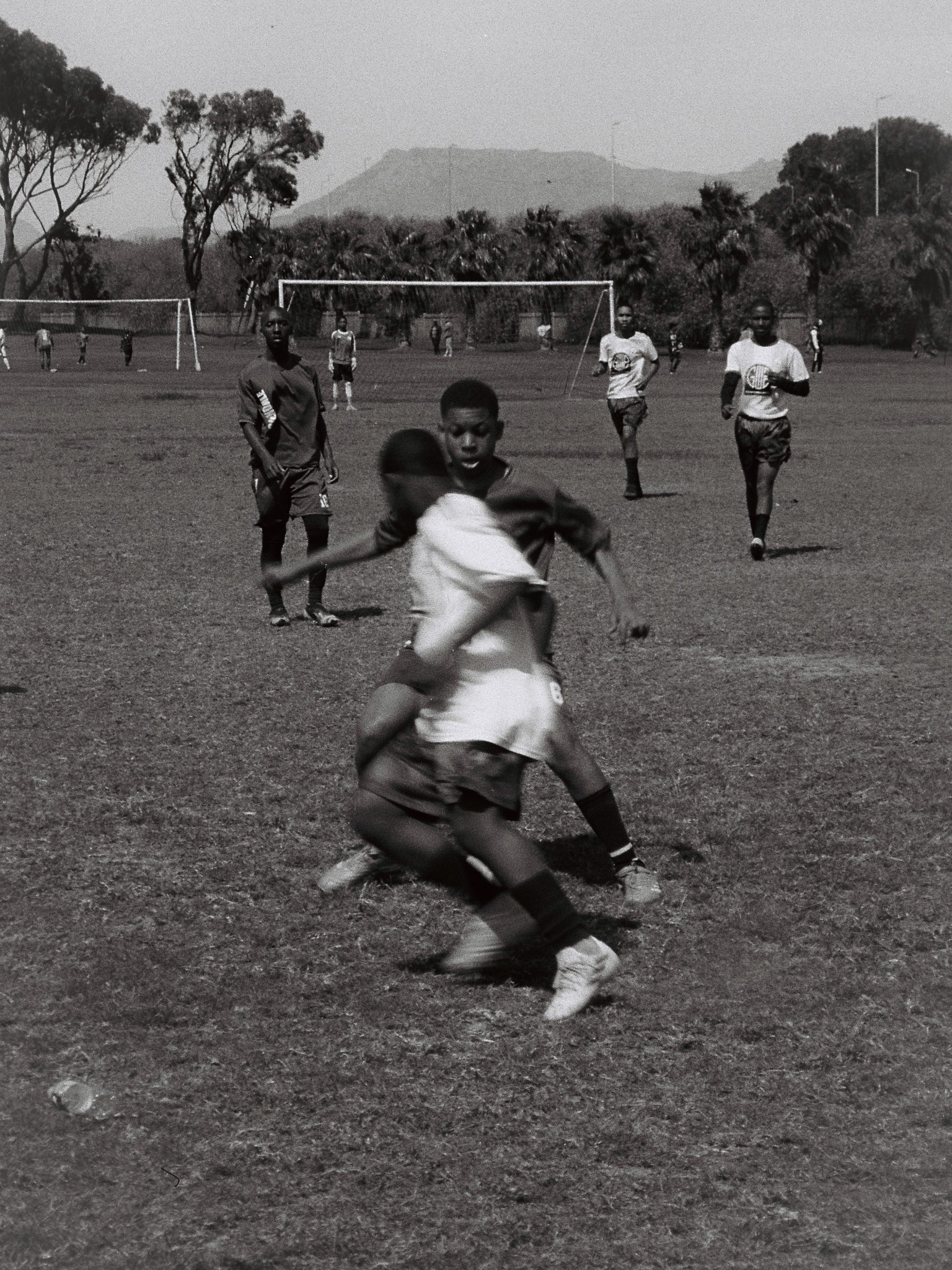
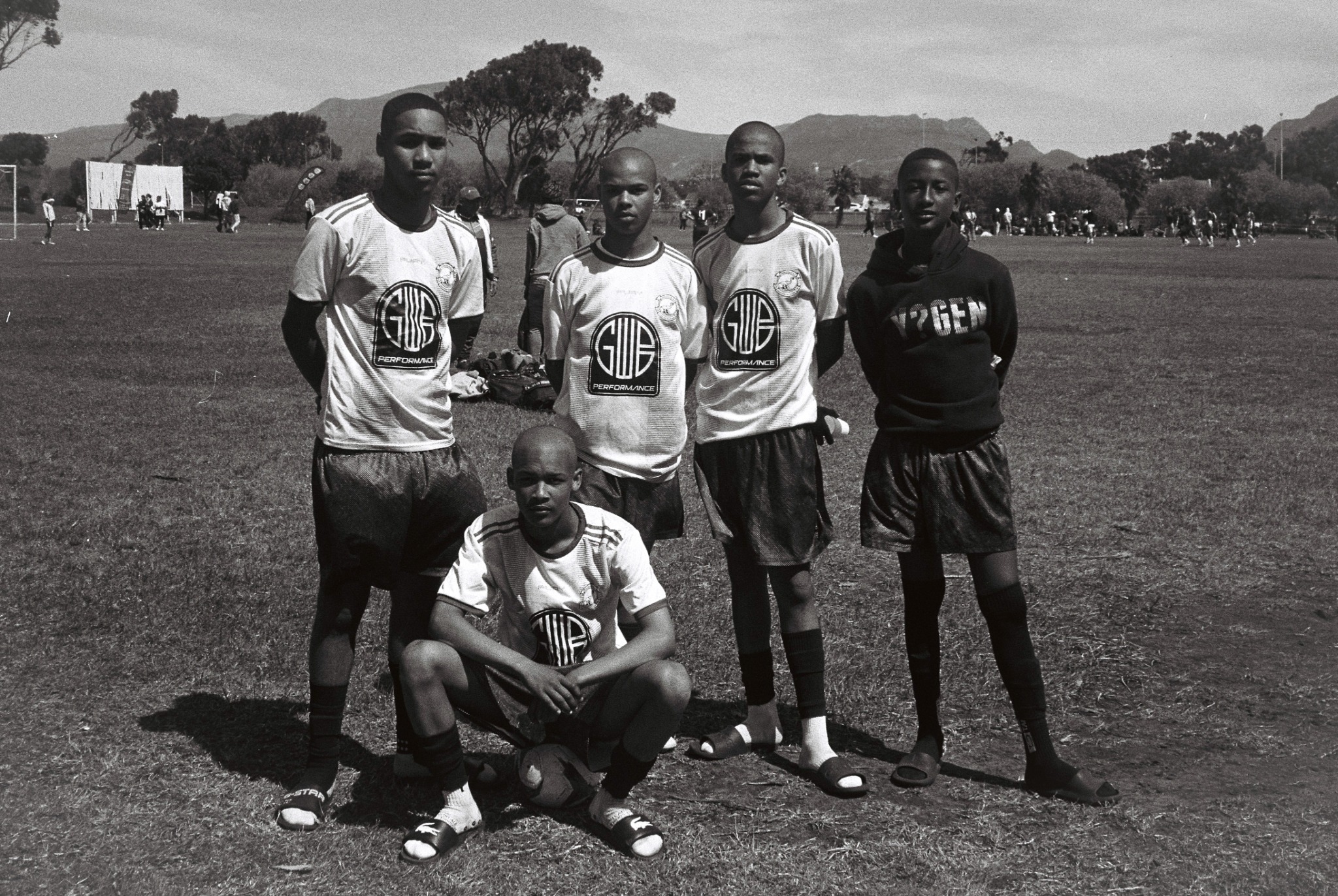
Soccer means so much more to these boys than just kicking a ball around. It’s brotherhood. It’s about having each other’s backs and knowing that there are people around you who genuinely care about you. Some of these boys come from very difficult circumstances or broken homes, and when they step onto that football field, suddenly they have a family. They have teammates and coaches who believe in them. We eat together, we travel together, we share things and we experience the highs and lows together. That’s what makes it special. For some of them, soccer is where they feel like they belong.
CHAD
What is the cultural significance of the Cape Flats to the boys?
JORDAN
It gives young boys a sense of identity and belonging. Many of the boys come from poverty stricken homes so being a part of a team or a project is something they look forward to. It gives them a sense of brotherhood. The Cape Flats contributes a lot to grassroots football. Boys learn the game on the streets before they step onto the field, it’s just about the coaches giving them the proper guidance and equiping them mentally with the right tools.
CHAD
Where does the future of South African football lie? Is it here in this area, in the Cape Flats?
JORDAN
It’s positive. We need more exports and players to fly our flag high. We’ve seen how well we did at the World Cup, this brings attention to our local game. I think the future is bright and hopefully we can see more footballers from the Cape Flats breaks into the international market.
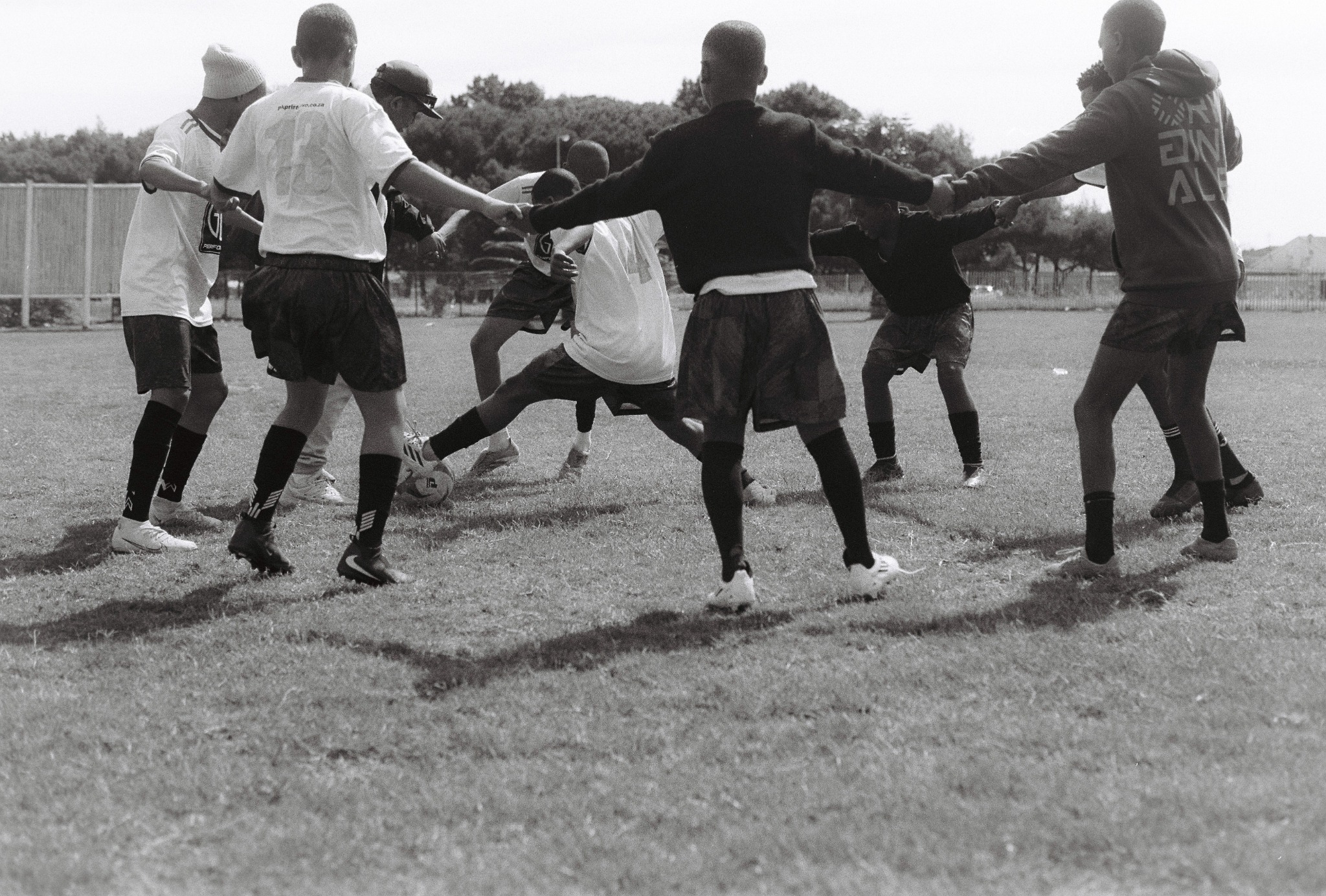
Jordan credits football for moulding him into who he is today. It has given him with lifelong connections, friends, memories and brotherhood, and wants to pass on this inheritance to the next generation. “The game is more than just the 90 minutes”, he says.
As a qualified educator, Jordan balances his time between teaching at Zeekoevlei High School and coaching the U19 boys team. He also serves as a part time coach at Wolverhampton football club.
CHAD
Tell us a bit more about your journey into coaching. How’d it start? What drew you to the profession?
JORDAN
I always loved the game, it’s my passion. I use to play it and this is where I met most of my friends and brothers I have. I just really wanted to express myself but injuries never allowed me to. I then decided to coach and this is where I found my love for the game. School sport really unlocked the coaching side for me. In my 3 years at the school we have been very successful. We have won a numerous amount of silverware and even competed at a national tournament where we placed 2nd. To me, it was a huge opportunity because I remember being a kid and all I wanted to do was play ball. These young men are incredible, big things are coming.
CHAD
What’s one value you’re always trying to pass down to your team?
JORDAN
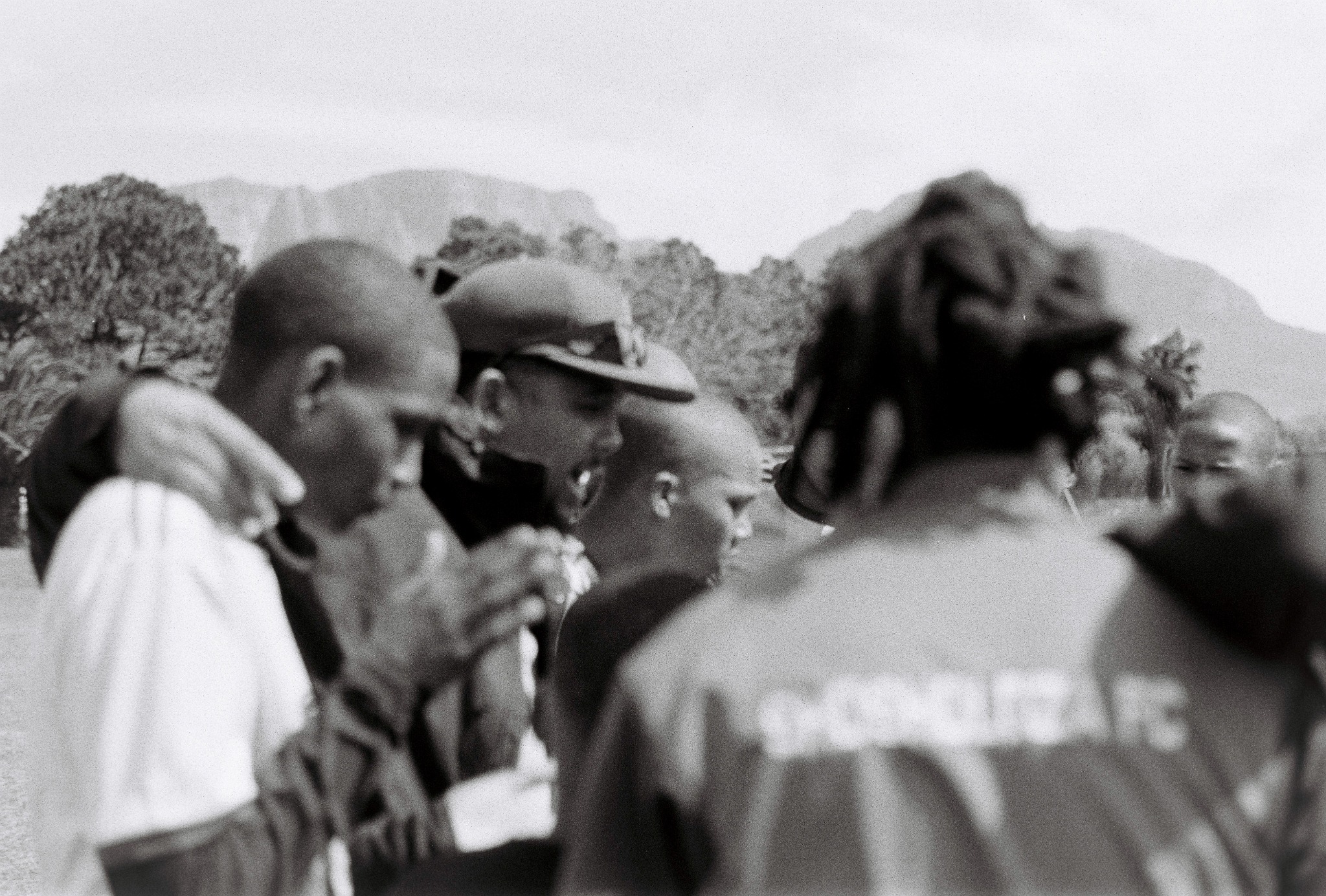
The biggest thing I try to instil in them is simply to be a good human being. Before you’re a footballer, you’re a person. Football eventually stops for all of us, but the person you become stays with you. I always tell them: do good. Treat people properly. Respect people. Help people when you can. Carry yourself in the right way. If you put good into the world, I believe good has a way of finding its way back to you. If they leave my programme as better human beings, then for me, we’ve achieved something much bigger than just winning soccer matches.
Editor’s note
Stories from Our Game is a global football culture anthology featuring a series of essays, interviews, perspectives and reflections from a curated group of contributors. Exploring themes including politics and social impact, philosophy, art, fashion, climate and more, Stories from Our Game serves to shine a light on the stories that truly matter most.